
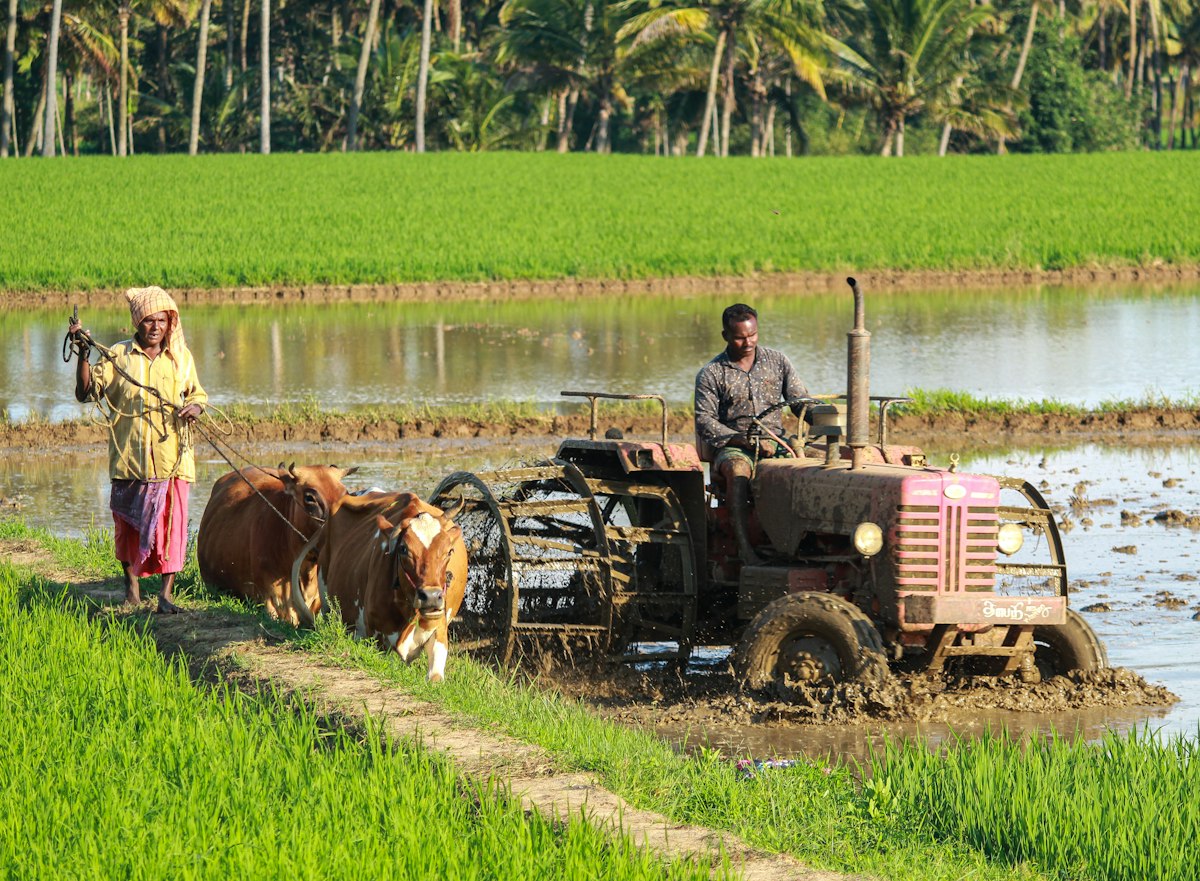
From grains to livestock, SADC's agricultural commodity markets are fragmented and opaque. Digital trading platforms are changing that — and creating new opportunities for producers, buyers, and intermediaries.
The SADC region produces over 40 million tonnes of grain annually, but the agricultural markets that determine prices are notoriously fragmented. In 2024, maize prices in Botswana were 18 % higher than in the same week in Zambia — not because of structural supply differences, but because of information asymmetry and transaction costs that a digital platform can largely eliminate.
The market structure problem
Traditional agricultural commodity markets in Southern Africa operate through a chain of middlemen: producer → aggregator → regional trader → processor. Each step adds a margin of 5–15 %. By the time grain reaches a milling company, 35–60 % of the farm-gate price has been paid to intermediaries who add coordination value, but whose margins could be dramatically reduced with a digital matching platform.
What a digital commodity platform provides
- Price transparency: real-time bid and ask prices across multiple buyers remove the information advantage middlemen currently hold.
- Quality certification: digital grading reports, attached to trade orders, eliminate disputes about commodity quality.
- Warehouse receipt financing: commodities stored in certified warehouses can serve as collateral for short-term financing while awaiting the best price.
- Cross-border documentation: automatic generation of phytosanitary certificates, SADC certificates of origin, and customs declarations.
- Settlement: escrow-based payment release on delivery confirmation removes counterparty risk for both sides.
Lessons from the FreeTrader platform
The FreeTrader SupplyChain Management System launched with three commodity categories (maize, sorghum, sunflower) and has expanded to 2,400+ listed commodities across 6 SADC countries. Key design decisions that drove adoption: USSD listing for sellers with feature phones; buyer dashboard accessible via WhatsApp Business API; offline-capable mobile app for warehouse verification.